What it's actually like to sell your own home when you're the agent
I've sat across from a lot of vendors over the years. I know the questions they ask, the anxieties they carry, the moments where they need reassurance and the moments where they just need someone to be straight with them.
Last month, I was the vendor.
The property was one I'd co-owned with my mother. She'd moved into a retirement village, and we needed to sell to fund her care. So I did what I tell my clients to do: took a breath, made a plan, and got on with it.
The prep
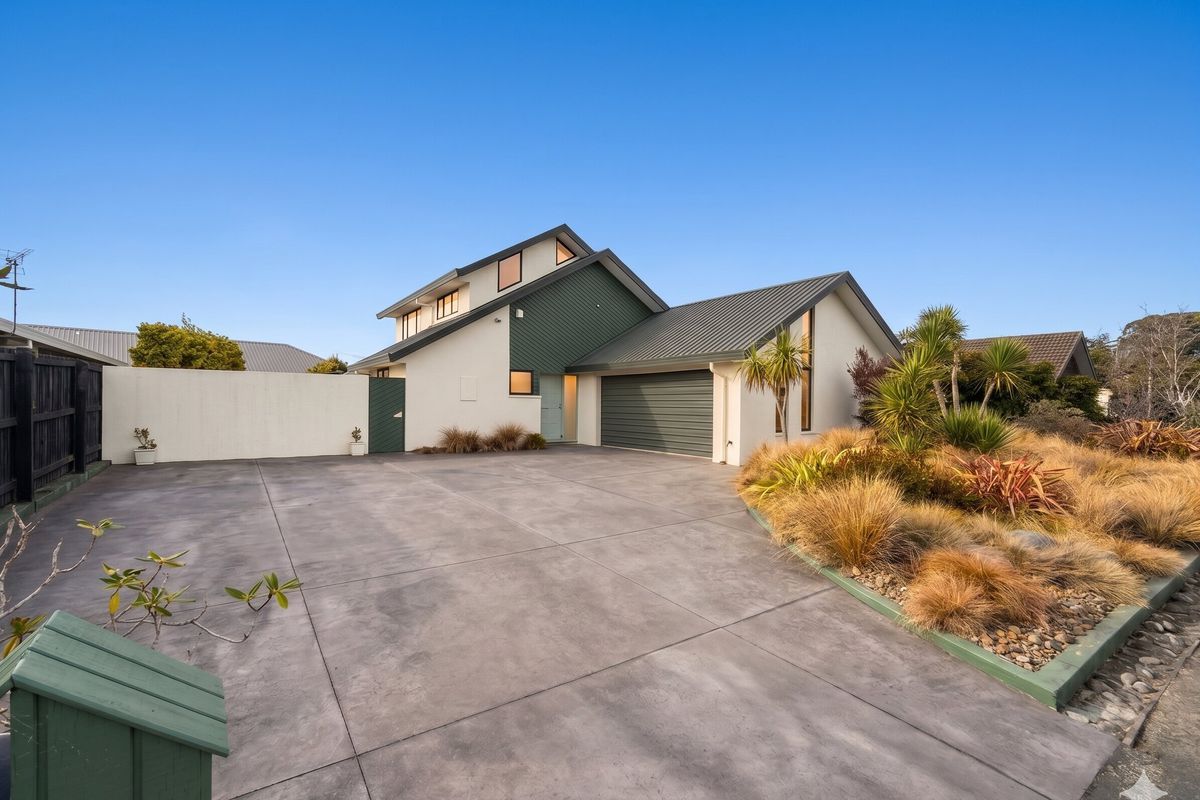
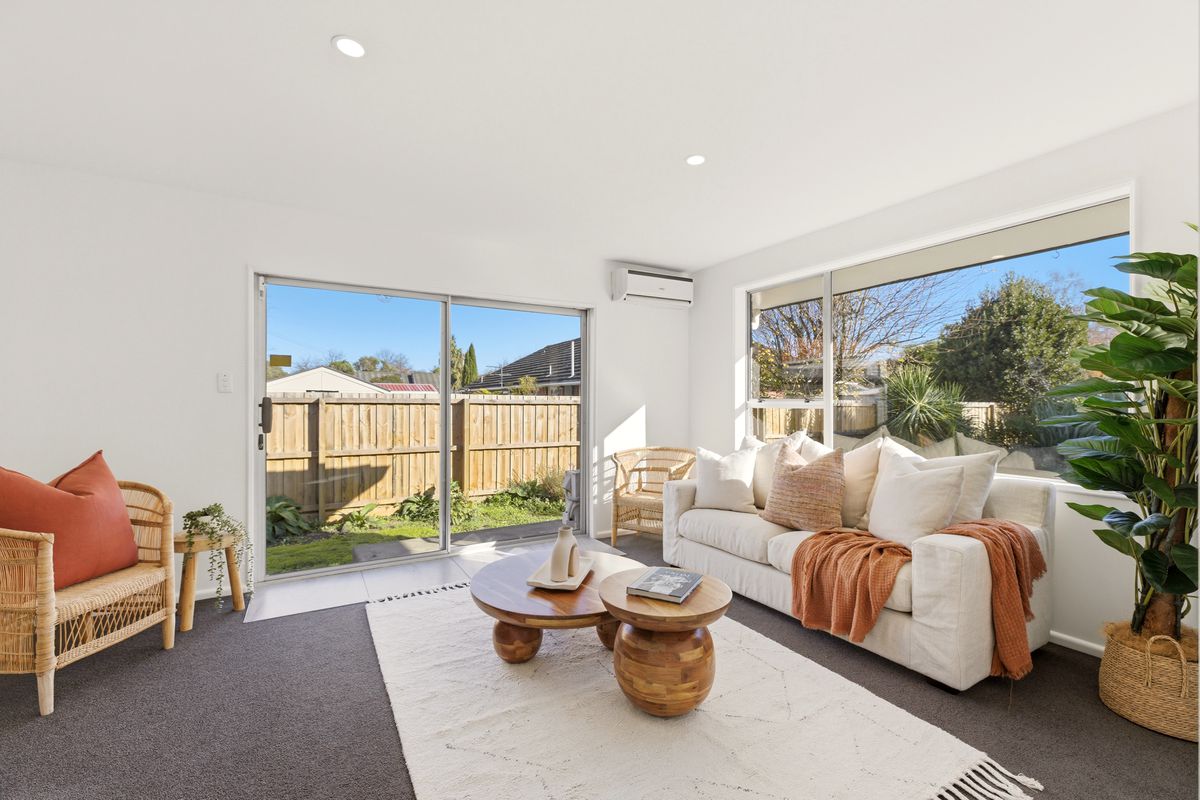
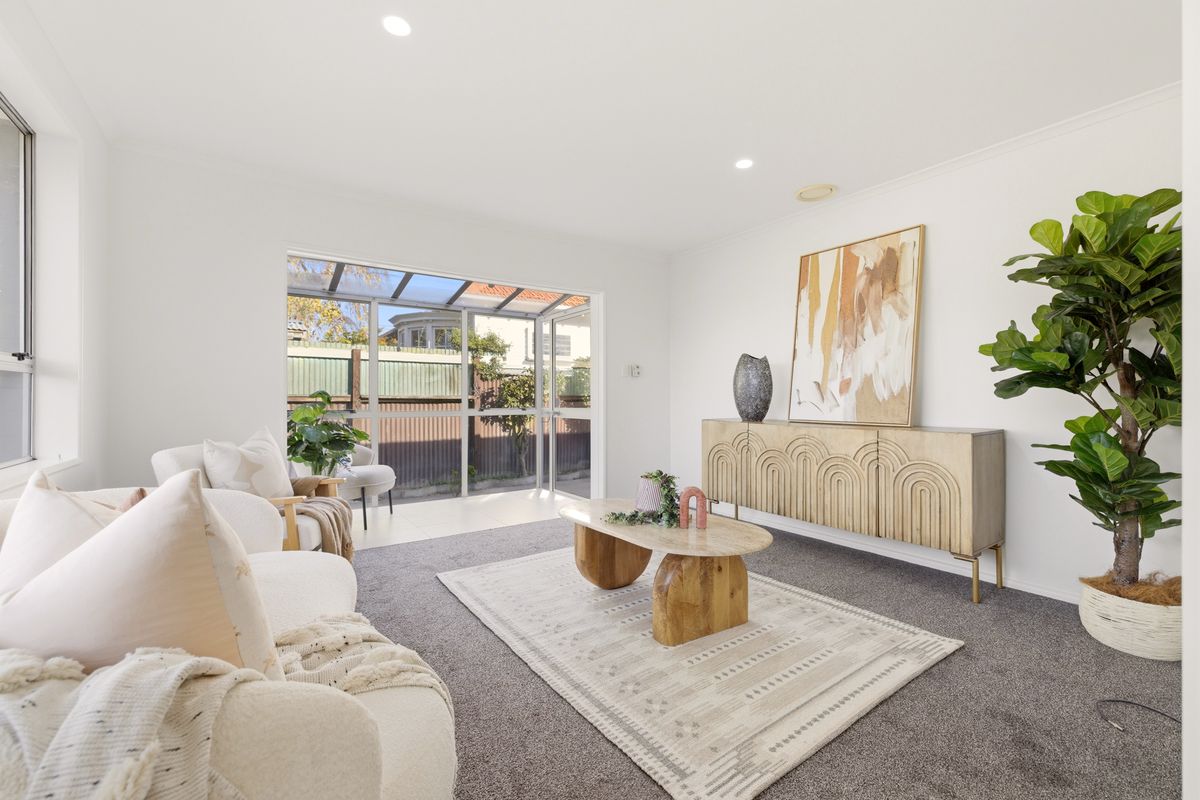
We took a bit of time and did meaningful work on the property before it hit the market. New kitchen, bathroom, floor coverings, repaint throughout. The roof had taken some lichen damage over the years, so that got repainted too. Basic landscaping courtesy of my dad and father-in-law, who were more than happy to roll their sleeves up.
Professional staging. All the reports buyers want to see upfront. Full marketing investment: professional photography, video, floor plan, and a platinum upgrade on Trade Me Property.
Nothing I wouldn't recommend to a client. Which is the point.
The method of sale
We launched at auction. Partly because I genuinely believe in the process, and partly because — I'll be honest — I didn't want the hassle of conditional offers.
But the likely buyer pool was first-home buyers and older purchasers on their own. Auction didn't really suit them. So in the final days of the campaign we pivoted to a deadline sale.
This is something I talk about with vendors regularly. The method of sale has to match your buyers, not just your preferences. I knew this. And I still had to remind myself of it when it was my own property.
The part nobody tells you about
I was refreshing my CRM constantly. Logging in to check enquiry numbers, tracking open home attendance, watching the data like it was going to tell me something new every five minutes. I do this job every day. I know what the numbers mean. And I still couldn't help myself.
It's a good reminder of what vendors go through. The waiting is uncomfortable even when you know intellectually that everything is on track. Possibly more so, because you understand exactly what the numbers are telling you.
The result
Three offers came in. All close to each other. All pretty much where I'd expected them to be from the beginning.
I was quietly hoping for a lotto moment — the kind of result where everything aligns and the number comes in well above expectations. It didn't happen. What we got was an offer that met expectations on clean, straightforward terms.
Honestly? That's a good result. I'd like to think the new owner is settling in well.
What I took from it
A few things stuck with me.
Expectations set early tend to hold. The number I had in my head at the start of the campaign was the number we ended up at. The prep work didn't produce a windfall — but it almost certainly produced a better result than doing nothing, and it gave buyers confidence.
The method of sale matters more than people realise. Auction is a great tool. It's not always the right tool. Know your buyer.
The waiting is hard. Even when you know what you're doing. Give your vendor a call. They're probably refreshing something.
Trust your agent — and actually mean it. Jonathan and Jack were across this campaign with me, and I was conscious not to just push my own view because I could. I wanted them to feel genuinely empowered in the process, not like they were just executing my instructions. That's harder than it sounds when it's your own property and your own money. But it's the right way to do it. And frankly, it's exactly what I ask of my own vendors.
And read the paperwork. Properly. Not just the summary page. When I originally purchased this property, I got a building report — standard due diligence. The report missed something, and so did I. In the EQC documentation there was an engineer's sign-off on some remedial works, and I took that as confirmation everything had been dealt with. It hadn't. The sign-off covered a crack repair only. The scope had also allowed for re-levelling, which hadn't been done. That was an unplanned cost I had to wear later.
A building inspector missed it. I missed it. Two people who should have caught it, and neither of us did. So when I tell buyers to read the EQC history carefully — I'm speaking from experience now.
The whole thing was a good reality check. I know this process well. I've guided hundreds of people through it. And it still got to me — the refreshing, the second-guessing, the hoping for a number that wasn't coming. That's not a bad thing to be reminded of. It makes you a better agent.